Blog
Mar 2026
Regenerative Aesthetic Treatments in London: Now Welcoming Patients to Our New Bedford Square Clinic
Interest in regenerative aesthetic treatments in London has grown significantly in recent years. Patients are increasingly moving away from quick cosmetic fixes and instead seeking treatments that improve skin quality, stimulate natural collagen production, and support healthier tissue over time.
This shift reflects a broader change in aesthetic medicine. The focus is no longer just on how the skin looks, but how it functions. At Dr Liesel Holler Medical Aesthetics, this approach underpins every treatment.
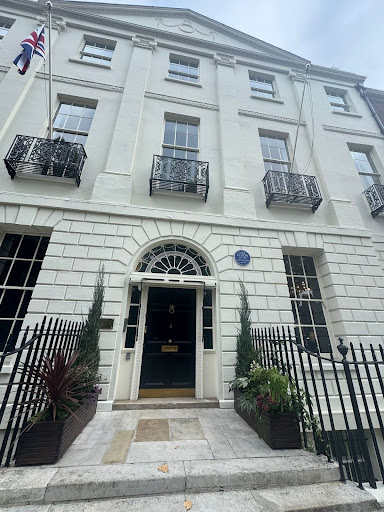
With the opening of a new clinic at Bedford Square, London, patients can now access a consultation-led, medically driven approach to regenerative aesthetics in a central and well-connected location.
A New Clinic Location in Central London
Dr Liesel Holler now welcomes patients to her clinic at:
6 Bedford Square
London
WC1B 3RA
This new location marks an important step in expanding access to regenerative aesthetic treatments in London. The clinic is designed to provide a discreet, professional environment where patients can undergo thorough consultations and receive tailored treatment plans focused on long-term skin health.
Rather than offering isolated procedures, the clinic operates on a medical model. Every treatment is prescribed based on individual assessment, with a clear focus on skin function, tissue quality, and realistic outcomes.
What Are Regenerative Aesthetic Treatments?
Regenerative aesthetics is a branch of aesthetic medicine that focuses on restoring and improving tissue health rather than simply altering appearance.
These treatments work by activating the body’s own repair mechanisms. Instead of adding volume or masking lines, they stimulate:
- collagen production
- cellular repair
- tissue regeneration
- growth factor activity
The result is gradual improvement in skin quality, including better elasticity, firmness, and overall resilience.
Many regenerative treatments use components derived from the patient’s own body. This makes them particularly suitable for those seeking a natural, biologically aligned approach to ageing.
Why Patients Are Choosing Regenerative Treatments
Traditional treatments often deliver immediate visual change. While effective, they do not always address the underlying causes of skin ageing.
Regenerative treatments take a longer-term view.
They focus on strengthening the skin at a structural level, leading to improvements that develop over time. Patients often report better texture, more even tone, and increased firmness as collagen production is stimulated.
This approach is particularly relevant for patients interested in prevention, as well as those looking to improve existing skin concerns without creating an over-treated appearance.
A Consultation Led, Medical Approach
At Dr Liesel Holler Medical Aesthetics, treatment always begins with a detailed consultation.
This is where a clear understanding of skin health is established.
Key factors assessed include:
- skin thickness and structure
- collagen quality
- environmental and lifestyle influences
- previous treatments
- medical history
From this, a personalised regenerative treatment plan is created.
The focus is not on trends or quick fixes. It is on building a strategy that supports long-term skin health and natural results.
What Is PRP and How Does It Work?
PRP therapy uses a concentrated portion of the patient’s own plasma.
A small sample is taken and processed to isolate platelets and growth factors. At this clinic, the process is enhanced using advanced MCT technology, which refines and concentrates the regenerative components within the plasma.
This enhanced plasma is then introduced into the skin, where it stimulates:
- fibroblast activity
- collagen synthesis
- tissue repair
These biological processes lead to gradual improvement in skin quality.
What Can PRP Improve?
PRP is commonly used to improve:
- fine lines
- dull or tired-looking skin
- reduced elasticity
- uneven texture
Results develop over several weeks as the skin regenerates. This is not an instant treatment, and patients should expect progressive improvement rather than immediate change.
Suitability and Limitations
PRP is suitable for patients experiencing early to moderate signs of ageing, as well as those looking to maintain skin quality.
It does not replace volume restoration or surgical procedures. For more advanced ageing, combination treatments may be required.
Downtime is minimal, typically involving mild redness or swelling for a few days.
Autologous Exosomes: A Refined Regenerative Treatment
Exosome therapy is often discussed in regenerative medicine, but the source of exosomes is critical.
At Dr Liesel Holler Medical Aesthetics, only autologous exosomes are used.
What Are Autologous Exosomes?
These are derived from the patient’s own plasma using the MCT device.
This ensures biological compatibility and removes the variability associated with donor-derived or synthetic alternatives.
Exosomes act as signalling messengers, helping regulate and enhance the skin’s repair processes.
Benefits of Autologous Exosome Therapy
Autologous exosomes support:
- improved cellular communication
- enhanced tissue repair
- increased collagen production
They are often combined with microneedling to improve absorption and optimise results.
As with all regenerative treatments, results develop gradually and depend on individual response.
Advanced Collagen Stimulation with Rexonage
Technology-based treatments also play a role in regenerative aesthetics.
How Rexonage3 Supports Skin Health
Rexonage is a non-invasive treatment designed to stimulate fibroblast activity and improve cellular function.
By activating deeper biological processes, it supports:
- increased collagen production
- improved skin density
- enhanced tissue resilience
Who Is It Suitable For?
Rexonage is suitable for patients with:
- early to moderate skin laxity
- reduced skin firmness
- a desire for preventative treatment
It can be used alone or combined with injectable regenerative therapies to support a comprehensive treatment plan.
Combining Treatments for Long-Term Results
Regenerative aesthetics is not about a single treatment.
The most effective outcomes are achieved through a combination of therapies delivered over time.
A typical plan may include:
- PRP enhanced with MCT technology
- autologous exosomes
- microneedling
- Rexonage3
These treatments are scheduled strategically to support ongoing skin improvement.
What Results Should You Expect?
Regenerative treatments require realistic expectations.
Results are:
- gradual
- focused on skin quality
- progressive over time
Patients often notice improvements in texture and tone first. Structural improvements develop as collagen production increases.
This approach is designed to restore healthier skin, not to create obvious or exaggerated change.
Risks and Considerations
All medical treatments carry some level of risk.
With regenerative treatments, these are generally minimal and may include:
- temporary redness
- mild swelling
- bruising
Because many treatments use the patient’s own biological material, the risk of adverse reaction is reduced.
However, results vary depending on individual factors such as age, skin condition, and overall health.
Common Misconceptions
Regenerative treatments are often misunderstood.
They do not provide instant results. They work by stimulating biological processes, which take time.
They also do not replace all other aesthetic treatments. Instead, they form part of a broader, medically guided treatment strategy.
Book a Consultation at Our New London Clinic
Dr Liesel Holler Medical Aesthetics is now welcoming patients to:
6 Bedford Square
London
WC1B 3RA
Patients seeking regenerative aesthetic treatments in London can expect a consultation-led, medically driven approach focused on long-term skin health.
FAQs
Are regenerative aesthetic treatments suitable for all ages?
They are most suitable for patients looking to improve or maintain skin quality, typically from their 30s onwards.
How many sessions will I need?
Most patients require a course of treatments followed by maintenance, depending on their skin condition and goals.
Is PRP safe?
Yes. PRP uses the patient’s own plasma, reducing the risk of adverse reaction.
Do results look natural?
Yes. Results develop gradually and are focused on improving skin quality rather than altering appearance.
Can treatments be combined?
Yes. Combination treatments are often recommended to achieve optimal results.