Blog
Apr 2026
Regenerative Aesthetics Explained: Polynucleotides, PRP and the Future of Skin Rejuvenation
The conversation around aesthetic treatments is changing. Increasingly, patients are no longer looking for dramatic transformation or obvious cosmetic change. Instead, they want healthier skin, subtle rejuvenation and results that look entirely natural. This shift has led to the rise of regenerative aesthetics, a treatment approach focused on improving skin quality from within.
At Dr Liesel Holler Medical Aesthetics, this consultation-led, medically driven approach forms the foundation of every treatment plan. Rather than simply adding volume or freezing movement, regenerative treatments work by stimulating the skin’s natural repair processes, encouraging collagen production and improving overall tissue health. Among the most talked-about regenerative treatments are polynucleotides, PRP and regenerative injectables, each offering a different approach to improving skin quality and supporting long-term rejuvenation.
Understanding how these treatments work, who they are suitable for and what results to expect can help patients make informed decisions about their skin health and choose treatments that prioritise long-term skin quality over short-term change.
What Are Regenerative Aesthetic Treatments?
Regenerative aesthetics refers to treatments designed to repair, restore and improve skin health at a cellular level. These treatments focus on improving the quality of the skin rather than simply addressing visible signs of ageing.
As we age, several changes occur within the skin:
- Collagen production slows
- Skin becomes thinner
- Elasticity decreases
- Hydration levels reduce
- Cellular repair processes slow down
These changes often lead to dullness, fine lines, laxity and uneven texture. Regenerative treatments aim to stimulate the body’s own healing processes, improving skin quality gradually and naturally.
This approach is particularly appealing to patients who want to maintain a natural appearance while still achieving noticeable improvement.
Polynucleotides: Supporting Skin Repair and Regeneration
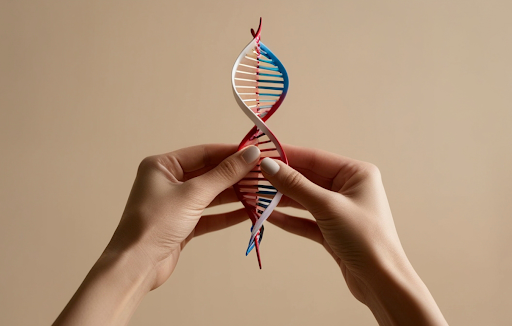
Polynucleotides are becoming one of the most sought-after regenerative treatments in aesthetic medicine. These injectable treatments are derived from purified DNA fragments and work by supporting cellular repair and regeneration.
Unlike traditional fillers, polynucleotides do not add volume. Instead, they help improve skin quality, hydration and elasticity over time.
How Polynucleotides Work
Polynucleotides support the skin by:
- Stimulating fibroblast activity
- Encouraging collagen production
- Improving skin hydration
- Supporting tissue repair
- Enhancing skin elasticity
This makes them particularly effective for areas where skin quality is the main concern, such as:
- Under-eye area
- Face
- Neck
- Décolletage
- Hands
Because polynucleotides work gradually, results develop over several weeks. The outcome is subtle, natural improvement rather than immediate change.
Who Are Polynucleotides Suitable For?
Polynucleotides are ideal for patients who:
- Notice early signs of ageing
- Have thin or crepey skin
- Want natural rejuvenation
- Prefer subtle improvement
- Want to improve skin quality before other treatments
They can also be combined with other treatments as part of a personalised regenerative plan.
PRP: Using Your Body’s Own Healing Potential
PRP, or Platelet-Rich Plasma, is a regenerative treatment that uses the body’s own natural healing mechanisms to support skin rejuvenation and tissue repair. The treatment involves taking a small sample of your blood, which is then processed to concentrate growth factors before being reintroduced into the skin.
These growth factors help stimulate collagen production, support cellular repair, and encourage healthier skin function over time. PRP is often used as part of a broader regenerative treatment plan and may also be combined with advanced therapies such as MCT Exosomes to further support skin healing, hydration, and tissue regeneration.
How PRP Works
PRP treatment involves:
- Taking a small blood sample
- Processing it to isolate platelet-rich plasma and growth factors
- Reintroducing the plasma into targeted treatment areas
Once introduced into the skin, PRP works by stimulating:
- Collagen production
- Cellular regeneration
- Tissue repair
- Skin hydration
- Overall skin quality and resilience
Because PRP uses your own blood, it is considered a natural and highly biocompatible approach to skin rejuvenation.
PRP and MCT Exosomes
At Dr Liesel Holler Medical Aesthetics, PRP may also be enhanced using MCT (Meta Cell Technology®) Exosomes. Unlike traditional PRP alone, the MCT system uses controlled light and temperature conditions to optimise regenerative signalling molecules and exosomes derived from your own blood.
Exosomes are microscopic cellular messengers packed with growth factors, peptides, proteins, and regenerative signals that help support:
- Collagen and elastin production
- Cellular communication
- Tissue repair
- Skin healing
- Inflammation reduction
Compared with PRP alone, MCT Exosomes are designed to deliver deeper and more targeted regenerative support with lower post-treatment inflammation and enhanced recovery.
What Can PRP and MCT Exosomes Treat?
PRP is commonly used to improve:
- Fine lines and wrinkles
- Skin texture irregularities
- Dull or tired-looking skin
- Under-eye concerns
- Mild skin laxity
- Dehydrated or compromised skin quality
When combined with MCT Exosomes, treatment may also help support:
- Acne scars and general skin scarring
- Pigmentation concerns
- Sun-damaged skin
- Hair thinning and hair loss
- Overall skin regeneration and firmness
PRP and MCT Exosomes are frequently combined with treatments such as microneedling to enhance product delivery, support collagen stimulation, and optimise regenerative outcomes.
Regenerative Injectables: A New Approach to Ageing
Regenerative injectables are designed to improve skin quality over time, rather than simply adding volume. This approach aligns with the growing trend toward natural, long-term rejuvenation.
These treatments work by stimulating collagen production and improving skin structure gradually. Over time, patients may notice improved skin firmness, hydration and texture.
Regenerative treatment plans may also incorporate advanced technologies such as Rexonage, a regenerative treatment designed to stimulate collagen production and support tissue remodelling without creating thermal damage within the skin. Unlike many traditional energy-based treatments that rely on heat, Rexonage focuses on supporting regeneration while minimising unnecessary tissue trauma, making it particularly appealing for patients seeking a gentler approach to long-term skin rejuvenation.
This regenerative philosophy focuses on improving skin health and tissue quality from within, rather than creating dramatic or artificial-looking change.
Combining Regenerative Treatments for Optimal Results
One of the advantages of regenerative aesthetics is the ability to combine treatments. A personalised treatment plan may include:
- Polynucleotides for skin repair
- PRP for collagen stimulation
- Regenerative injectables for skin structure
This combination approach allows practitioners to address different aspects of skin ageing, creating more balanced and natural outcomes.
When Will You See Results?
Regenerative treatments work differently from traditional aesthetic treatments. Because they stimulate natural processes, results develop gradually.
Typically, patients may notice:
- Improved hydration within weeks
- Smoother skin texture over time
- Gradual improvement in elasticity
- Subtle reduction in fine lines
Results often continue to improve over several months as collagen production increases.
Who Are Regenerative Treatments Suitable For?
Regenerative treatments are suitable for a wide range of patients, including:
- Patients in their 30s seeking prevention
- Patients in their 40s and 50s wanting natural rejuvenation
- Patients wanting to improve skin quality
- Patients preferring subtle results
They are also suitable for patients who want to maintain results between other aesthetic treatments.
Are Regenerative Treatments a Replacement for Fillers?
Regenerative treatments do not replace fillers. Instead, they complement them. While fillers restore volume, regenerative treatments improve skin quality.
This combination often leads to more natural-looking outcomes. Many patients now choose regenerative treatments first to improve skin health before considering volume-based treatments.
The Future of Skin Rejuvenation
Regenerative aesthetics represents a shift in how we approach ageing. Rather than focusing solely on treating lines and wrinkles, the focus is now on supporting skin health and maintaining quality over time.
This approach aligns with patients who want:
- Subtle, natural results
- Long-term skin health
- Preventative treatments
- Minimal downtime
As regenerative technologies continue to evolve, treatments such as polynucleotides and PRP are becoming increasingly popular among patients seeking natural rejuvenation.
A Consultation-Led Approach to Regenerative Aesthetics
Every patient’s skin is different, which is why regenerative treatments work best when tailored to individual needs. A consultation-led approach allows practitioners to assess skin quality, discuss concerns and create a personalised treatment plan.
This ensures treatments are chosen based on what the skin needs, rather than following trends.
A Natural Approach to Skin Rejuvenation
Regenerative aesthetics is changing the way patients approach ageing. By supporting the skin’s natural repair processes, treatments such as polynucleotides, PRP and regenerative injectables offer subtle, natural improvement.
For patients seeking healthier skin, gradual rejuvenation and long-term results, regenerative treatments provide a modern, medically driven approach to skin health and ageing.